
About Supa Deurali Temple
Nearly 500 years of spiritual heritage, architectural beauty, and divine grace in the Mahabharat hills
A Sacred Heritage Since 1543 AD
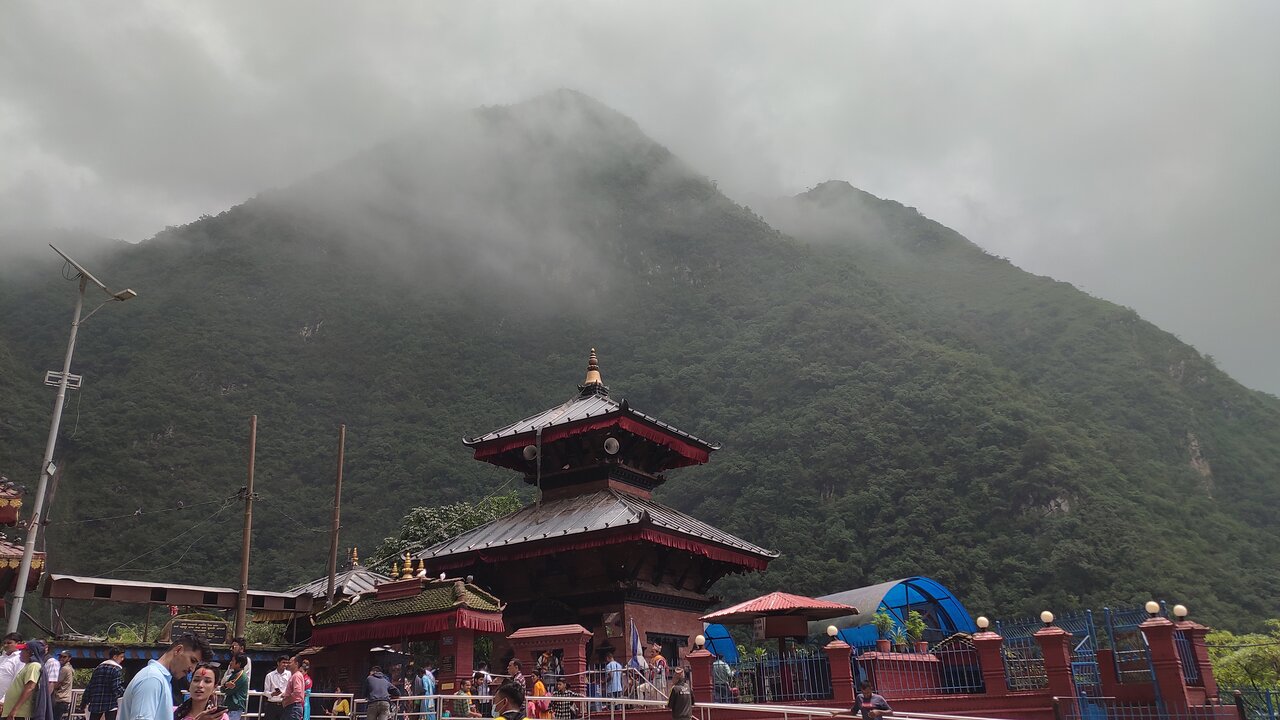
Supa Deurali Temple stands as one of Nepal's most revered pilgrimage destinations, perched at 4,500 feet above sea level on a dramatic mountain ridge between the Mahabharat hills. Dedicated to Goddess Supadevi—a powerful form of Bhagwati—this sacred shrine has been fulfilling the sincere wishes of devotees for nearly five centuries.
Built in 1600 B.S. (circa 1543 AD) by King Biswa Pal Shah of the Khanchi kingdom, the temple was established as a memorial to his daughter Subarna Kumari. The king installed an image of Bhagwati Devi and established daily worship routines that continue to this day.
Location & Geography
The temple is situated approximately 47 kilometers from Sandhikharka along the Gorusinge–Sandhikharka road in Lumbini Pradesh (Province 5). It lies in a deep gorge of the Mahabharat Range, creating a dramatic and spiritually charged setting. The temple's position at the junction of two ridges offers breathtaking panoramic views of the surrounding hills and valleys.
Key Facts
- Founded: 1543 AD (1600 B.S.)
- Founder: King Biswa Pal Shah of Khanchi Kingdom
- Elevation: 4,500 feet (1,371 meters) above sea level
- Deity: Goddess Supadevi (form of Bhagwati)
- Location: Sandhikharka–Shitaganga, Arghakhanchi District
- Access: Open 24 hours, 365 days a year
- Annual Visitors: Approximately 1 million pilgrims

Architecture & Construction
The temple's multi-tiered pagoda roof beautifully blends with the rocky gorge and forested hills surrounding Supa Deurali. The pagoda design—featuring multiple stories with carved wooden struts—is typical of traditional Newari Hindu temple architecture and remains largely intact today.
Over the centuries, the temple underwent multiple renovations to preserve its architectural and cultural significance. In 2040 B.S., the priesthood formalized daily puja (worship) routines. By 2042 B.S. (circa 1985 AD), the shrine was rebuilt into the classic Nepali pagoda style by local patron Babaji Naranarayan to accommodate growing crowds of pilgrims.
Most recently, in 2025 AD, a broad courtyard extension was inaugurated behind the shrine, adding meeting halls, offices, and seven new rooms for pilgrims. This expansion, funded by approximately NPR 1.07 crore collected from devotees, allows thousands of visitors to have darshan without crowding the temple steps.
Religious Significance
Supa Deurali is revered as a "wish-fulfilling" Devi temple. Pilgrims believe that sincere prayers offered here will be granted by Goddess Supadevi, making it a powerful destination for spiritual seekers across Nepal and northern India.
The temple complex houses idols of Ganesh, Shiva, Mahakali, and Mahalaxmi alongside the main goddess. Daily worship and animal sacrifices (except on certain auspicious days like Ekadashi, Akshaya Tritiya, Krishna Janmashtami, and New Moon) form an integral part of the temple's living tradition.
Community Impact
The temple plays a vital role beyond its spiritual function. All offerings collected—approximately NPR 15 million annually—are reinvested locally to support two nearby schools and village development projects. A large committee of local residents governs the temple, with villagers taking turns as caretakers and guides.
This community management reflects the temple's standing not just as a religious institution, but as a cultural and social cornerstone for the people of Arghakhanchi.